×

Leave Your Message

       
Custom Split Leather Development | Guoyuan Leather
APPLICATIONS · CUSTOM DEVELOPMENT

Custom Split Leather Development

Develop cow split leather around the way your product needs to look, feel and perform. Guoyuan works with footwear, bag and leather goods manufacturers on the leather material itself, from the initial surface direction to the specification of an approved article.

Bring a reference swatch, a material specification or a design brief. We can start by identifying the right development direction and the decisions needed before sampling.

Send Your Development Brief →

Start with the Product, Component and Priority

A useful brief explains where the leather will be used and what it must achieve. “Black leather for a shoe upper” gives a starting point; adding the component, target thickness, required hand feel and reference finish makes the direction much clearer.

Identify the requirement that matters most. An exact color target, a particular grain, a softer handle and a demanding performance specification may require different material choices. Agreeing the priority early helps make sample comparisons more productive.
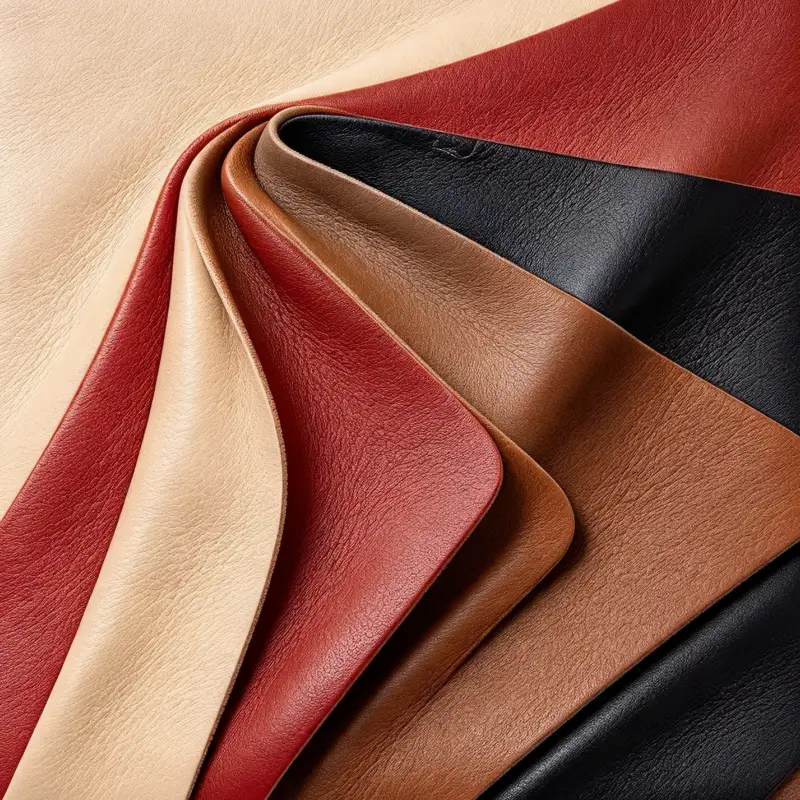
Define What You Want to Develop

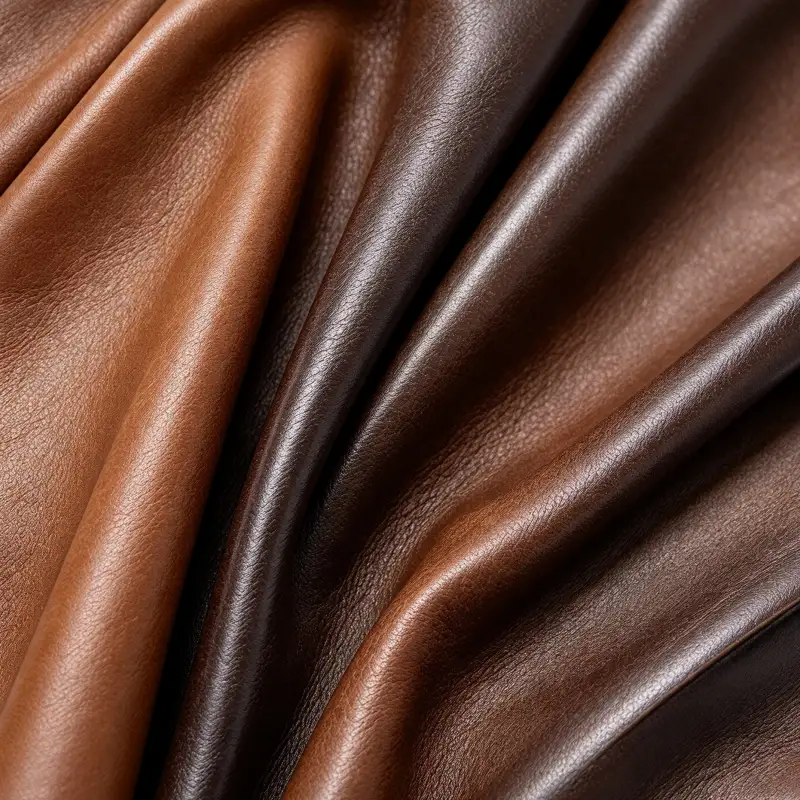
Different material options and finishing processes can create different visual and tactile results. We will help you select the right route based on your requirements.

Color and Viewing Conditions
02

Color and Viewing Conditions

Use a physical color standard together with the corresponding Pantone reference where possible. The Pantone color code provides a standardized reference for color communication, while the physical color card helps confirm the intended appearance on leather.

For color matching and approval, use an agreed lighting condition, such as natural daylight or a standard light booth. Keep the same light source and viewing conditions throughout sample comparison and final approval, as leather surface texture, gloss, grain, and finish can affect how the color is perceived.

Texture and Surface Effect
03

Texture and Surface Effect

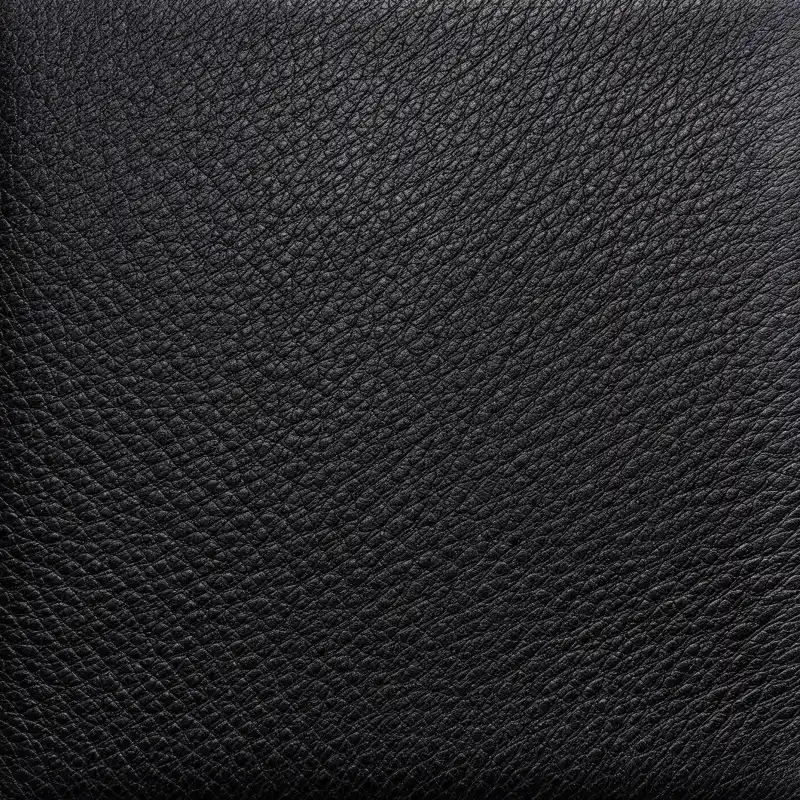
Provide a swatch, a scaled close-up or an identifiable pattern reference. Describe which features matter: grain size, relief, gloss, nap or tonal movement. For a proprietary design, include any relevant permission or usage limitations with the brief.

Thickness and Hand Feel
04

Thickness and Hand Feel

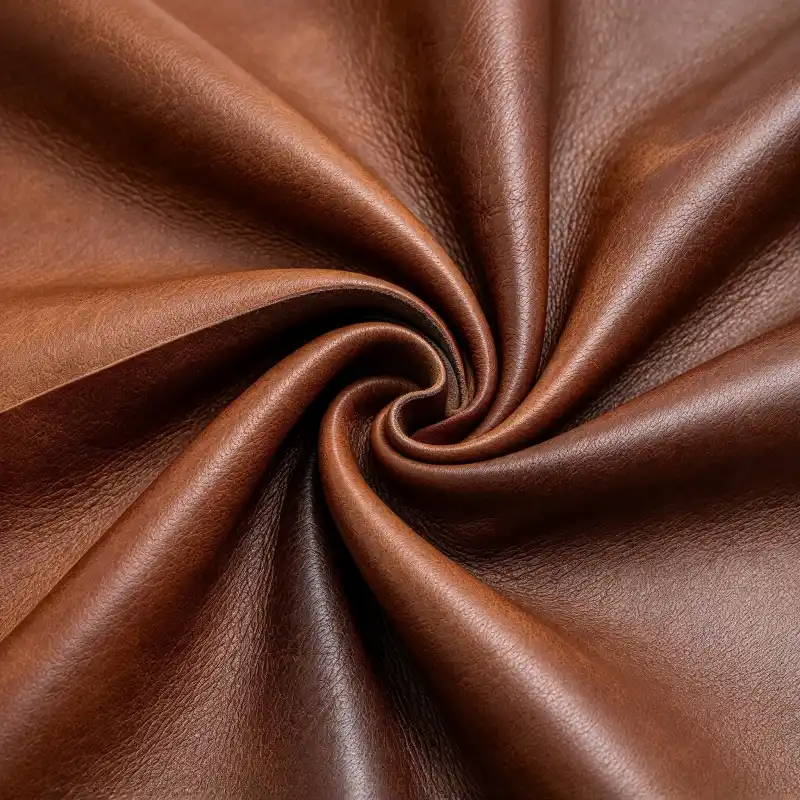
Specify the required finished-material thickness and, where available, the acceptable tolerance. A thickness value alone does not define softness or body. Include a hand-feel reference or explain how the material needs to fold, drape or support the component.

Performance and Chemical Requirements
05

Performance and Chemical Requirements

Share the customer's test specification or the requirements for the intended use. Identify the test method, conditions and acceptance target where these are defined. Also provide the applicable restricted substances list and the version your program uses.

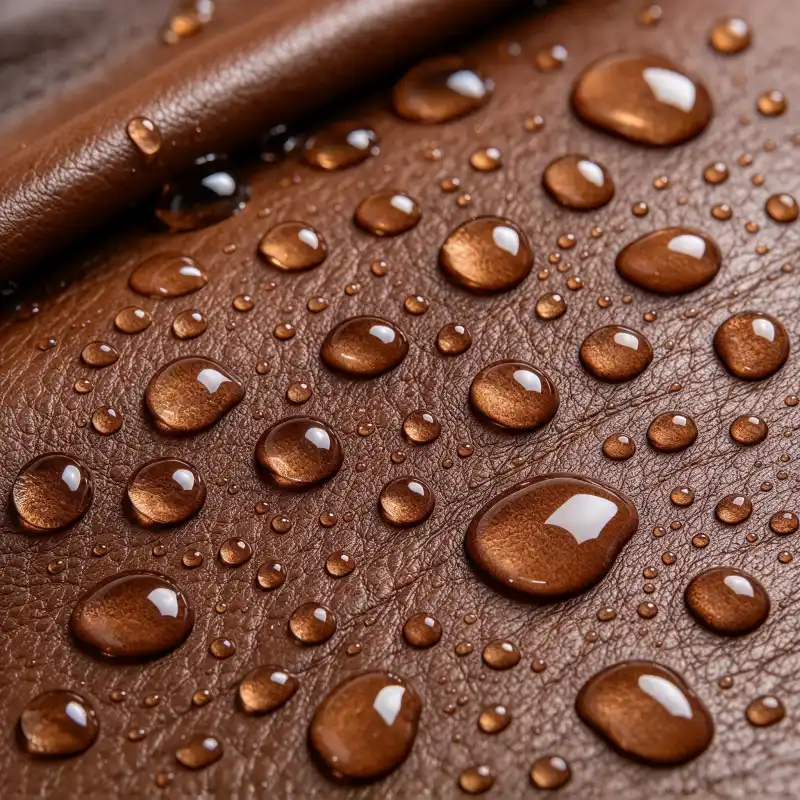
For example, an abrasion target should identify the method and end point; a water-related requirement should state the exposure conditions and acceptable result. Clear requirements make feasibility, testing and sample approval easier to assess. Find supporting material information in Quality & Sustainability.

From Brief to an Approved Material

We follow a clear process to turn your requirements into a confirmed material.

1

Step 1 — Review the Development Direction

The starting point is the application, reference material and priority requirements. Confirm what is known, what needs comparison and whether the requested finish is feasible with the proposed split leather route.

→
2

Step 2 — Agree the Sampling Scope

Define which variables the first sample should address, such as color, surface or grain, hand feel, thickness, physical performance, chemical requirements, or a combination of these factors.

Confirm the physical and chemical requirements that need to be considered during development, including applicable test methods, test conditions, acceptance criteria, and chemical specifications or RSL requirements where available. This helps determine whether the first sample should focus only on appearance and hand feel or also include performance and chemical evaluation.

Before work begins, confirm the number and size of samples, sampling charges, development timing, testing requirements, and any pattern or construction requirements.

→
3

Step 3 — Review Samples with Specific Feedback

Compare samples under consistent conditions. Feedback such as “reduce gloss while keeping this grain” or “retain the color, but make the handle firmer” is more useful than a general request to improve the material.

Keep the sample reference and revision clear so a successful feature is not lost when another variable changes.

→
4

Step 4 — Confirm the Article and Acceptance Criteria

Before ordering, agree the physical reference sample and the written material specification together. Record the article identifier, color, thickness, hand feel, surface appearance and relevant performance requirements.

Include acceptable variation where needed. For example, shade and nap direction may need to be considered together for suede, while grain scale and gloss may be critical for a coated or embossed finish.

→
5

Step 5 — Align the Material with Production

Use the selected material in your intended component trial and review the result before committing to bulk use. Confirm order quantities, colors, packaging requirements and the delivery schedule for the approved construction.

Changes to the finish, base or specification after approval should be reviewed against the accepted sample. Material consistency starts with knowing which version is being ordered.

What to Send with Your Inquiry

Information What to include
Product and component For example, a footwear vamp or bag outer panel
Reference Physical swatch, clear photos, color standard or existing specification
Material direction Preferred process, or the surface and feel you want
Finished thickness Target in mm and tolerance, if defined
Quantity Estimated material volume and number of colors
Requirements Performance targets and chemical specification, if available
Schedule Intended sample review and material delivery dates
You do not need every technical detail to begin. Start with the application, reference and estimated quantity, and identify the points where you need material guidance.

Development and Ordering Questions

Can development begin from a photograph?

Yes, a photograph can start the discussion. It cannot fully communicate thickness, hand feel or an exact color and texture match. A physical reference becomes more useful as the brief moves toward approval.

What is the minimum order quantity?

The applicable minimum is confirmed for the selected article, color and construction. Include your estimated quantity and color breakdown so the proposal reflects the actual program.

How long does sampling take, and are there sample charges?

Timing and charges depend on the development scope, available materials and any new pattern requirements. These terms should be confirmed with the sampling plan. A repeat of an approved article and a new surface development may need different arrangements.

What happens if appearance and performance targets conflict?

Return to the agreed priorities and compare the available material options. A change in finish or construction may affect the look or hand feel. Any compromise should be explicit in the next sample review and the final specification.

Tell Us What Your Leather Needs to Do

Share the product, component and reference you are working with. Add the target thickness, estimated quantity and the requirement you are least willing to compromise, and we can discuss a practical starting point for development.

Leave Your Message