.png)
.png)
.png)
.png)

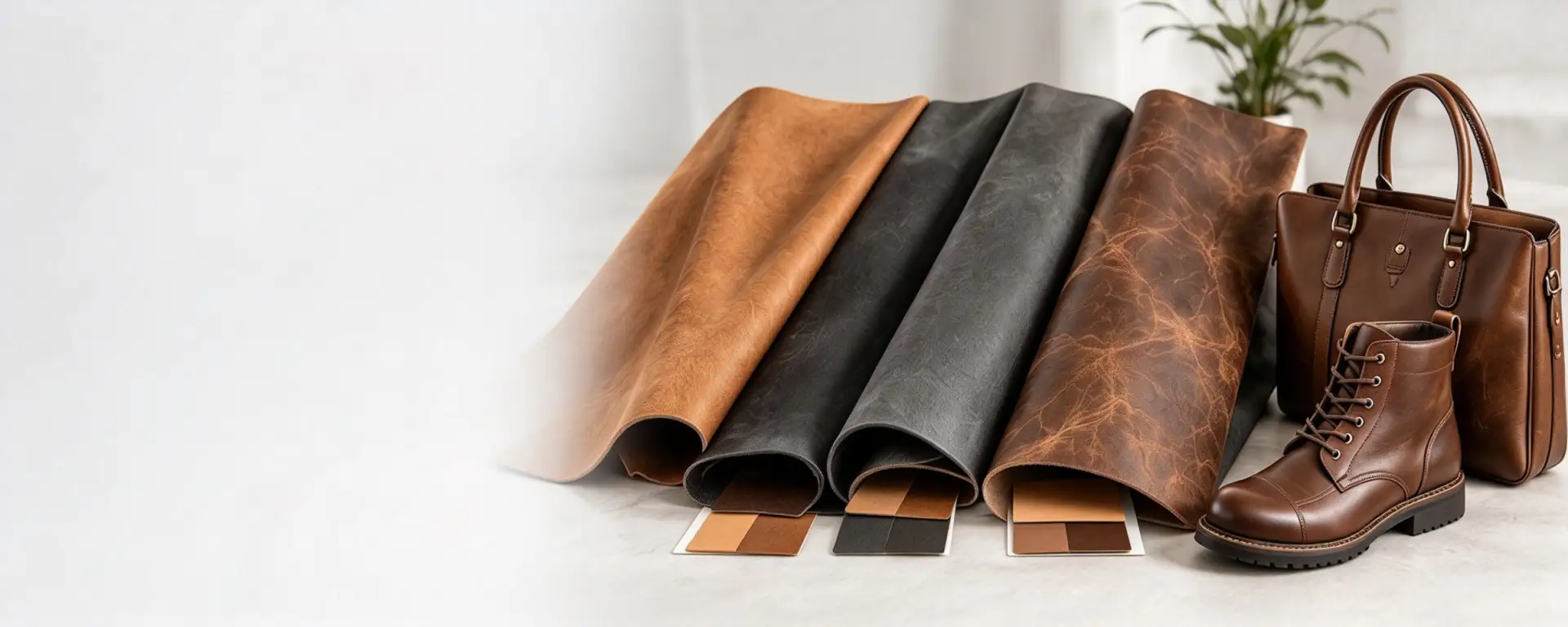
Wet Process Finished Cow Split Leather
Guoyuan's wet-process split leather collection brings together Yangbuck, nubuck-effect and Crazy Horse-effect finishes on a cow split base. It gives manufacturers a choice of surface directions within a common material family.
Use the collection to compare the look and touch required for your product, then explore the selected finish in more detail. The final article combines that surface direction with the thickness and body needed for the intended component.
Discuss a Wet-Process Leather RequirementUnderstand the Wet-Process Construction
Wet-process finished split leather starts with a cow split leather base selected according to the required thickness, fiber structure and intended application. A coating material is applied to the split surface and then processed through a water-bath coagulation process, forming an elastic wet-process layer with a large number of micropores.
This microporous structure helps balance flexibility, breathability and surface performance. The finished material can also reproduce natural leather grain patterns, allowing manufacturers to develop different visual and tactile directions without changing the fundamental split-leather base.
The final material is determined by the combination of:
- Cow split leather backing
- Hide section and fiber structure
- Wet-process coating system
- Surface grain and finishing
- Thickness and body
- Color and shade
- Hand feel
- Intended product component
This approach provides a flexible and cost-efficient material route for footwear, handbags, leather goods and other products requiring a leather-like surface with a split-leather construction.
For other material routes, compare our complete complete split leather rang.
Explore Three Wet-Process Finish Directions
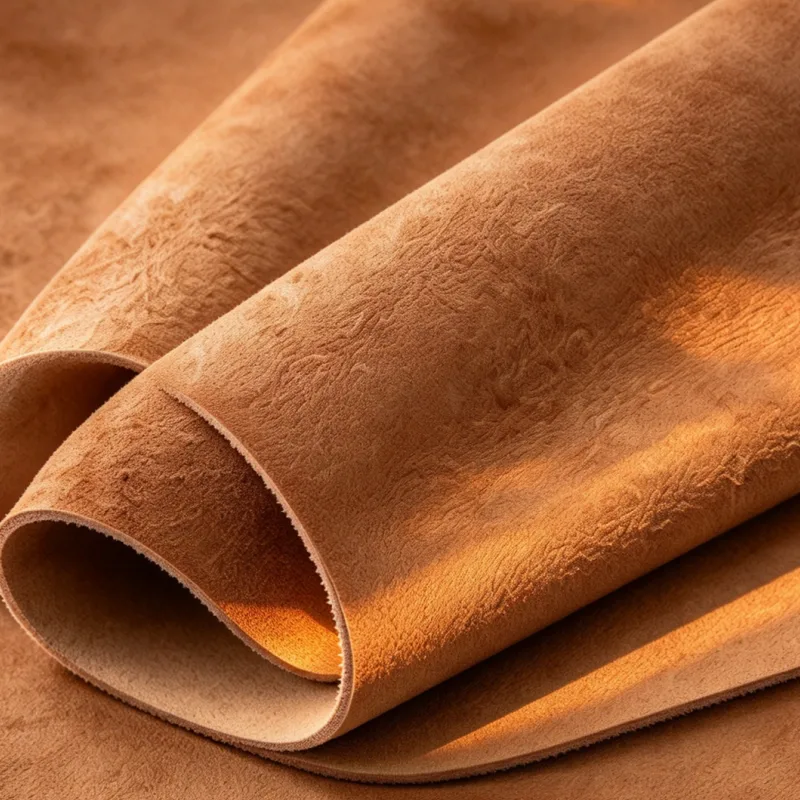
Yangbuck Split Leather
Soft suede-like touch with visible nap
Choose Yangbuck when a soft, suede-like touch and visible nap character are important to the product. The surface provides a soft tactile impression while retaining the body of the underlying split leather.
When developing Yangbuck, compare the nap character, softness, color consistency and finished body together rather than evaluating surface touch alone.
Explore Yangbuck Split Leather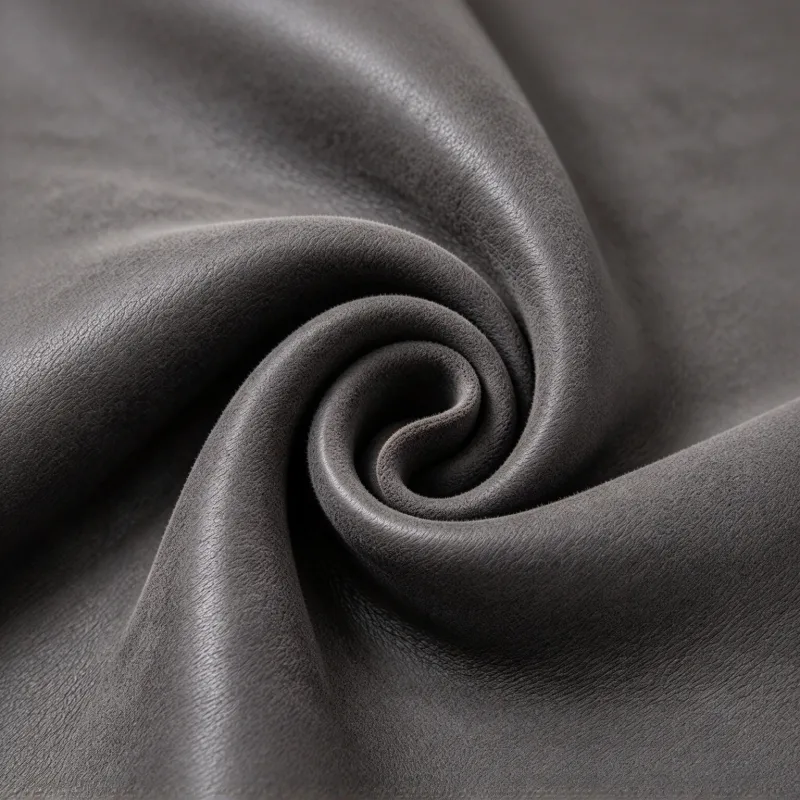
Nubuck-Effect Split Leather
Muted matte appearance with short nap
Choose Nubuck-effect when a muted, matte appearance and restrained surface character are preferred. Its visual direction is defined more by the matte surface and short, refined surface character than by a strong gloss or pronounced grain.
When comparing samples, pay attention to matte consistency, shade uniformity, surface appearance and hand feel under the same lighting conditions.
Explore Nubuck-Effect Split Leather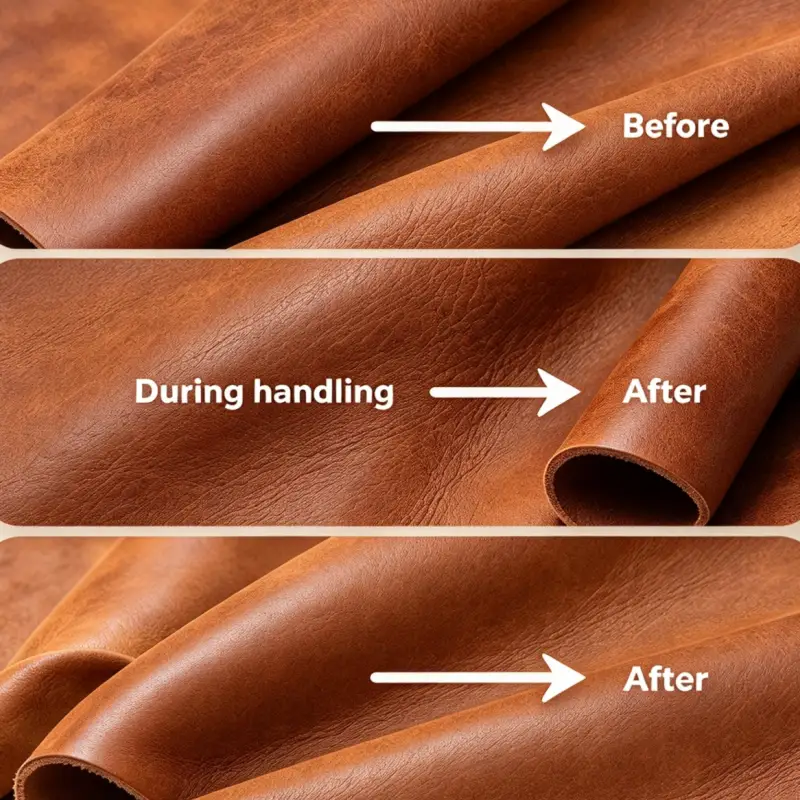
Crazy Horse-Effect Split Leather
Vintage character with color change
Choose Crazy Horse-effect when a vintage appearance and visible color-change effect are part of the product concept. The surface can show tonal variation when the leather is bent, rubbed or handled, creating the characteristic pull-up appearance.
When developing this finish, compare the initial color, color-change response, tonal contrast and recovery after handling against the intended product appearance.
Explore Crazy Horse-Effect Split LeatherCompare Finishes on a Consistent Basis
| Main Design Priority | Finish to Explore First | Bring to the Comparison |
|---|---|---|
| Soft, suede-like touch | Yangbuck | A tactile reference swatch |
| Muted matte appearance | Nubuck-effect | A sample showing the target shade and surface |
| Vintage color-change effect | Crazy Horse-effect | A reference viewed flat and bent |
These are different finish directions rather than fixed performance rankings. Compare samples at similar finished thicknesses and, where possible, similar colors. This makes it easier to judge the surface character without confusing it with differences in body, thickness or shade.
For the most reliable evaluation, use the intended product component as the final reference. Lining, reinforcement, padding and forming methods can all change the impression created by a loose leather swatch.
Wet-Process Material Specification Guide
| Item | Family-Level Information |
|---|---|
| Base material | Cow split leather |
| Reference finished thickness | 1.2–2.0 mm across the wet-process family |
| Finish directions | Yangbuck, Nubuck-effect and Crazy Horse-effect |
| Color | Custom color development |
| Surface grain | Natural leather grain patterns and agreed reference patterns |
| Hand feel | Developed according to the selected finish and backing |
| Cowhide section | Butt, shoulder, flank and other suitable hide sections subject to article requirements |
| Hide selection | Selected according to fiber structure, thickness, yield and intended component |
| Hide size / usable area | Determined by the selected hide and production requirements; confirmed during material development |
| Construction selection | Finished thickness, body, surface reference and application requirements |
| Article approval | Confirmed specification and physical sample |
The 1.2–2.0 mm range is a family-level reference, not a statement that every finish is available at every thickness. The final specification is established for the individual article after reviewing the required finish, cow split backing, hide section, thickness, color and application.
Does Hide Section Matter?
Yes. Different areas of a cowhide can have different fiber structures, thickness and usable area. Butt and shoulder sections generally provide a denser fiber structure, while flank and belly areas can offer a softer and more flexible character.
The appropriate section depends on the component and required material behavior. For example, a structured footwear component may require a different split selection from a soft lining or flexible leather-goods panel.
Hide selection should therefore be confirmed together with the finished article specification, rather than treating every split hide as identical.
Select the Finish for Its Place in the Product
For footwear, identify the component before choosing the finish. A vamp that repeatedly flexes, a shaped overlay and a padded section can require different combinations of thickness, body, flexibility and surface character.
For bags and leather goods, consider panel size, folded edges, skiving requirements and reinforcement materials. The selected finish should work with the complete construction as well as the intended visual concept.
Continue with footwear material selection or leather materials for bags and leather goods.
Wet-Process Leather Questions
No. Wet process describes the manufacturing route, not the condition of the finished material. The leather is supplied as a finished material with the agreed surface, color, thickness and hand feel.
Not necessarily. The term describes the processing method and does not by itself define the complete chemical system. If your project has specific chemical restrictions or compliance requirements, include them in the material brief so the selected article can be evaluated accordingly.
Yes. The surface can be developed to reproduce different natural leather grain patterns. However, the final appearance depends on the selected grain reference, color, coating construction and finishing conditions. A physical finished sample should be used for final approval.
They can be developed according to the article requirements. The feasible combination depends on the selected split backing, hide section, wet-process finish and target finished thickness. Final specifications should be confirmed through sample development.
Choose a Finish Direction for Your Next Sample
Share your product component, preferred surface direction, target thickness and color. If the finish is undecided, tell us whether soft touch, matte appearance or vintage color-change character is the main priority.
You can also provide a reference leather, grain sample, color card or product sample. Our team can use these references to define a suitable wet-process split leather article for development.