×

Leave Your Message

       
Embossed Split Leather Manufacturer | Guoyuan Leather
Wet-Process Embossed Split Leather

Wet-Process Embossed Split Leather

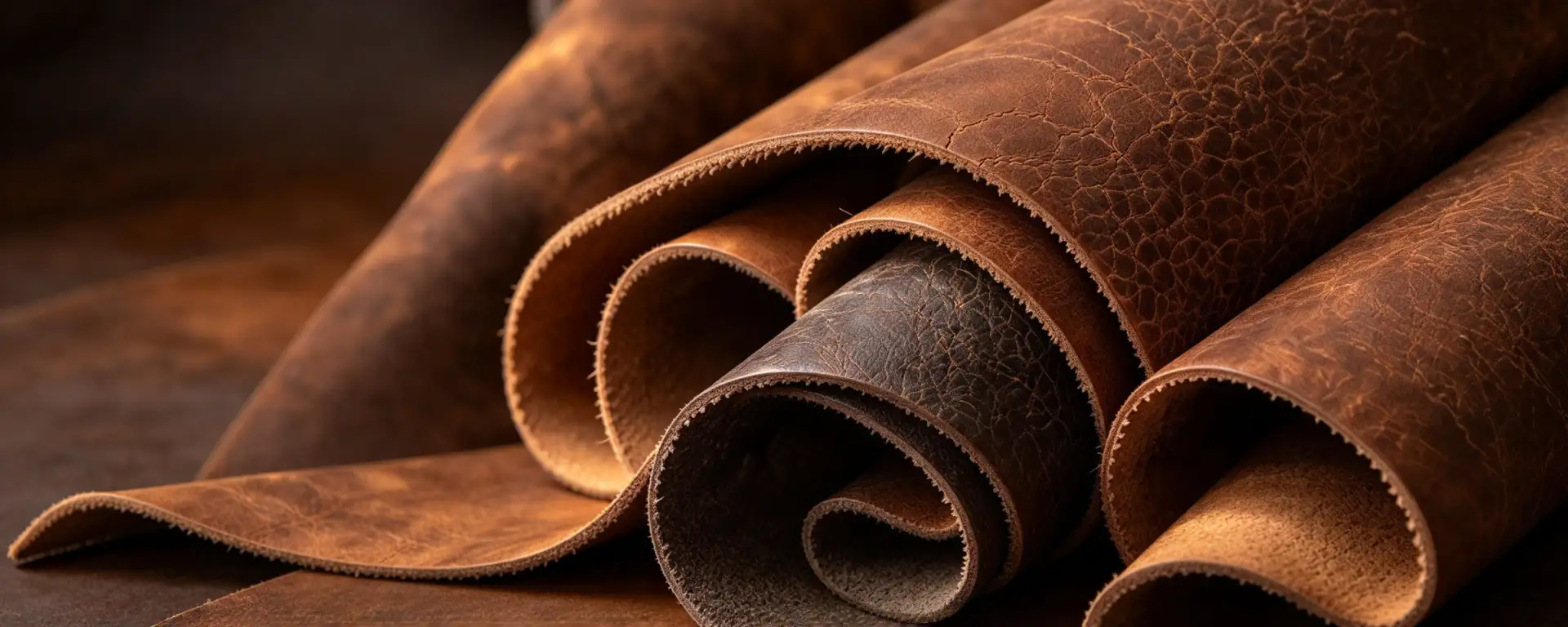
Guoyuan’s wet-process embossed split leather combines a wet-processed cow split leather base with an additional embossing stage to create a defined surface pattern and controlled finished appearance.

The wet process forms a microporous coated layer on the split leather, while embossing adds the selected grain geometry. Subsequent finishing establishes the final color, gloss and surface character.

Cow split
leather base
Microporous
wet-process layer
Embossed grain
surface
Customizable color,
texture & thickness.
Discuss an Embossed Leather Sample →

A Wet-Process Base with an Added Grain

Guoyuan’s wet-process embossed split leather starts with a cow split leather base that is processed through a wet coagulation system to form a microporous surface layer.

An additional embossing stage then introduces the selected grain pattern. Further finishing controls the final color, gloss, contrast and overall surface appearance.

The construction can be understood as:

Cow Split Leather Base + Wet-Process Microporous Layer + Embossed Grain + Final Finish

The split leather base contributes to the required body and flexibility, while the embossing stage establishes the surface geometry.

Because the base construction, coating, embossing and finishing work together, the grain should always be evaluated on the complete finished material, rather than from an embossing plate, photograph or small pattern reference alone.

The wet-process layer has a microporous structure and can provide a degree of air permeability. However, breathability is not defined by microporosity alone and should be evaluated according to the finished construction and application requirements.

Water resistance is a separate development requirement. If water resistance is required, it can be developed and specified as an additional finishing target.

For the underlying material direction, see Wet-Process Split Leather.

Wet-process embossed split leather base

Grain Directions for Different Design Effects

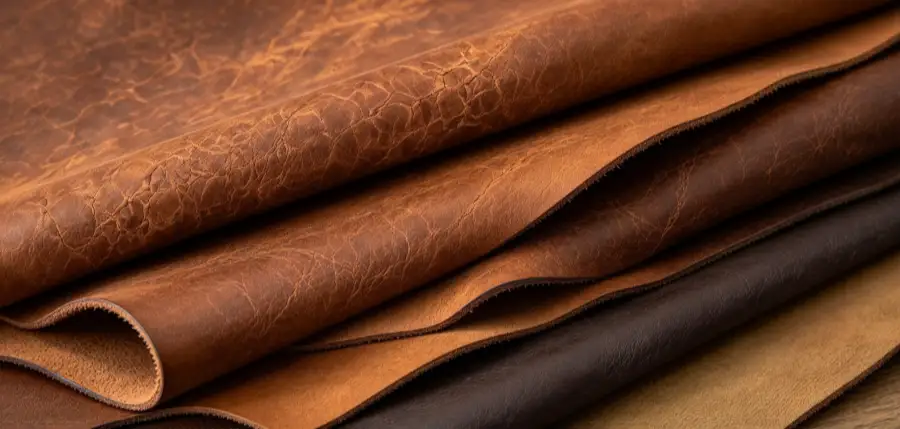
The embossing pattern is not only a surface decoration. Pattern scale, relief, direction and repetition can significantly change how a finished leather panel looks and behaves.

Grain DirectionVisual EffectSelection Priority
Pebbled / Litchi GrainRounded, distinct surface pattern with a structured textured appearancePebble size, spacing and definition
Cross-GrainDirectional, intersecting texture with a more geometric surface characterLine spacing, crossing pattern and orientation
Natural-Grain EffectIrregular, leather-inspired appearance with less uniform visual repetitionPattern scale, irregularity and repetition
Milled-Look GrainRelaxed, broken-grain appearance with a softer visual rhythmRelief, pattern distribution and appearance when folded
Animal-Pattern EmbossingDecorative animal-inspired surface such as crocodile, lizard, snake or other available referencesPattern scale, repeat, relief, panel layout and visual definition

Animal-pattern embossing is developed as a surface pattern on cow split leather. It does not change the underlying material into genuine crocodile, snake, lizard or other exotic leather.

These descriptions identify general visual directions. Available patterns, pattern scale and final appearance are confirmed through physical sampling.

Specify More Than the Grain Name

A grain name is only the starting point. For production development, the embossing should be defined through several measurable or visually controlled characteristics.

Grain Scale and Repeat

A pattern that looks balanced on a small swatch can appear very different across a large bag panel, shoe quarter or wallet body.

Embossing Depth and Definition

Embossing depth affects the contrast between raised and recessed areas.

Direction and Panel Alignment

Directional textures require a defined cutting orientation.

Color and Gloss Across the Texture

Embossed surfaces contain both raised and recessed areas, so light interacts with the grain differently across the surface.

Grain Appearance When Bent

The appearance of an embossed grain can change when the leather is folded, curved or formed.

Embossed Split Leather Specification Guide

Item Development Scope
Base Construction Wet-processed cow split leather
Surface Treatment Additional embossing and finishing
Reference Finished Thickness 1.2–2.0 mm
Grain Choices Pebbled, litchi, cross-grain, natural-grain effect, milled-look, animal-pattern and other available references
Grain Scale Defined according to product component and physical reference
Embossing Depth Selected according to the required relief and surface character
Pattern Direction Defined for directional grains and panel alignment
Visual Controls Pattern scale, depth, definition, orientation, color and gloss
Hand Feel Selected according to the required body, firmness and flexibility
Water Resistance Additional development requirement when required
Surface Appearance Defined by approved finished sample
Approval Reference Finished physical sample showing the complete grain and construction
Application Footwear, bags, wallets and other leather goods

Existing pattern availability and the feasibility of a new embossing pattern are reviewed before sampling.

Where new tooling is required, pattern development and tooling requirements form part of the development review.

Assess the Grain in a Real Component

An embossing pattern should not be evaluated only as a small leather swatch.

The final appearance can change according to component size, forming direction, bending and the way multiple panels are assembled.

Bags and Wallets

Inspect the grain across:

  • Large front and back panels
  • Flaps
  • Folded sections
  • Corners
  • Edges
  • Handles and frequently handled areas
  • Adjacent panels

A pattern that looks uniform on a small sample may show visible repetition or scale differences across a larger panel.

Explore Split Leather for Bags and Leather Goods →

Footwear

For footwear, evaluate the embossed leather after forming and flexing.

  • Vamp areas
  • Curved panels
  • Lasting and shaping areas
  • Folded sections
  • Seams and panel junctions
  • Frequently contacted areas

The grain should remain consistent with the intended product appearance after the material has been formed.

Explore Split Leather for Footwear →

Embossed Split Leather Questions

Is every textured PU-coated split leather made by the wet process?+
No. Surface texture can be created through different coating and embossing routes. For example, a patterned release paper can form a texture directly in a film or coating layer. This page covers Guoyuan’s wet-process embossed split leather range, where the material starts with a wet-processed cow split construction and receives an additional embossing stage. If a release-paper texture or another surface-forming route is preferred, the construction should be evaluated separately.
Can the same embossing pattern look different on two materials?+
Yes. The final appearance can change according to base leather thickness, leather body and flexibility, wet-process coating construction, color, gloss, embossing depth and finishing system. For this reason, an embossing reference should be assessed on the finished material proposed for production.
Can you develop animal-pattern embossed split leather?+
Yes. Animal-inspired patterns such as crocodile, lizard, snake and other available references can be considered as embossing directions. The final development should define the pattern scale, repeat, relief, direction, color and surface appearance. The finished material remains cow split leather with an embossed surface pattern.
Can the embossing be made deeper or more subtle?+
Yes. Embossing depth can be developed according to the required visual relief and hand feel. A deeper pattern generally creates stronger raised and recessed definition, while a shallower pattern can provide a more restrained surface effect. The appropriate depth should be confirmed through a physical sample.
Can the same grain be produced in different colors?+
Yes. The embossing pattern and color development can be considered separately, although the final appearance of the grain depends on how color and gloss interact with the raised and recessed areas. For production, color should be approved on the finished embossed leather, rather than from an unembossed color reference alone.
Does embossing affect the leather's hand feel?+
It can. The finished hand feel depends on the combination of the split leather base, wet-process construction, embossing depth and finishing system. If a specific firmness, softness or flexibility is required, the hand feel should be included in the development specification.
Can water resistance be added?+
Yes, when required. Water resistance is not automatically established by the wet-process microporous layer. It should be treated as a separate performance requirement and developed through an appropriate finishing route. The required level should be defined according to the intended application and verified on the finished construction.

Bring a Grain Reference into Development

A clear reference makes embossing development more efficient.

When requesting a sample, provide:

  • A close-up image of the target grain
  • A scale reference where possible
  • A larger physical swatch if available
  • Target component size
  • Intended cutting direction
  • Target finished thickness
  • Desired hand feel
  • Target color and gloss
  • Intended application
  • Any water-resistance requirement
  • Whether an existing Guoyuan pattern or a new pattern is preferred

For animal-pattern development, also indicate the preferred pattern type, scale, repeat and level of relief.

Guoyuan’s technical team can then review the wet-process split construction, embossing direction and finishing route before confirming the sampling approach.

Develop Your Wet-Process Embossed Split Leather

Bring your grain reference and product requirements to Guoyuan.

Our team can evaluate the cow split base, wet-process construction, embossing pattern, grain scale, relief, finish, color and application requirements together to develop a finished material suitable for your product.

Request a Development Sample →

Leave Your Message