×

Leave Your Message

       
Split Leather Applications for Footwear & Bags | Guoyuan

Cow Split Leather Applications
for Footwear and Leather Goods

Choose cow split leather around the finished product you are developing. Guoyuan Leather supplies custom split leather materials to footwear, bag and leather goods manufacturers, with application pages that connect product use, component position and working conditions to relevant leather articles.

Use these pages to build a shortlist. Open each leather article for its actual images, construction, reference thickness and confirmed development options, then validate the shortlisted material in your own product construction.

Explore the Application Guides →

Select the Material in the Context of the Finished Product

A leather article does not work in isolation. Its suitability depends on where it is used, how the component is shaped, what it contacts and which appearance or performance requirement the finished product must meet.

For footwear, a vamp, quarter, shaft and overlay can place different demands on the material. For bags and small leather goods, panel size, reinforcement, folded edges and repeated handling can change the selection. Start with the application page that matches your product, then compare the listed articles.

If you want to compare materials by manufacturing route first, visit the Split Leather collection .

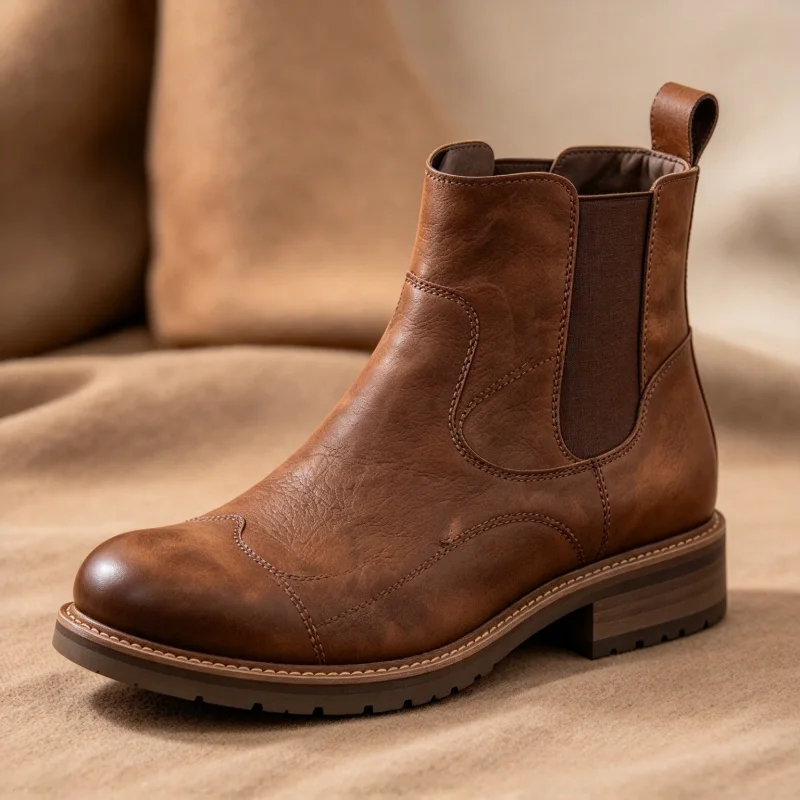
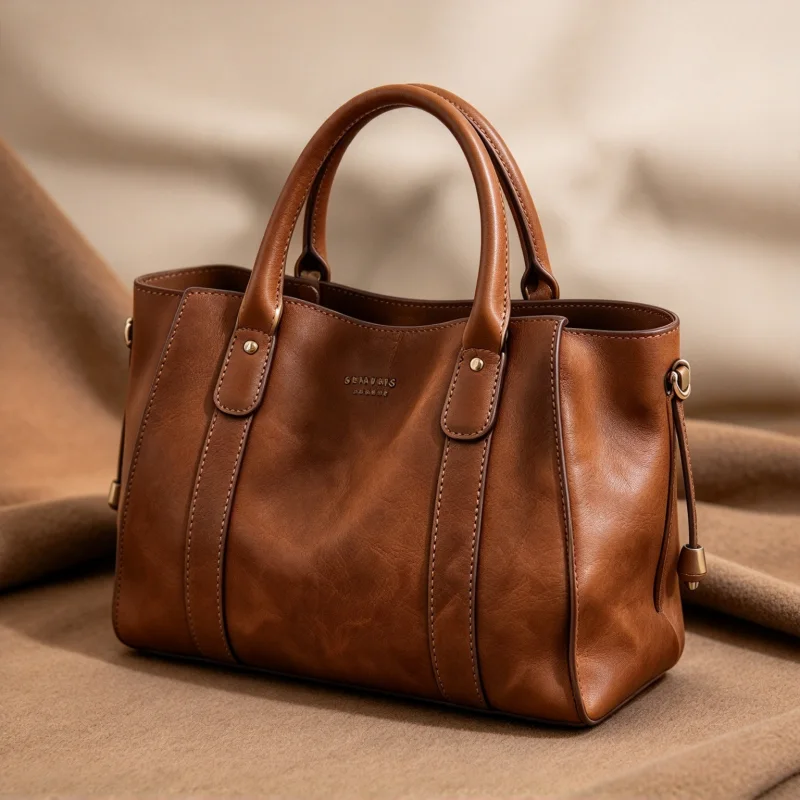
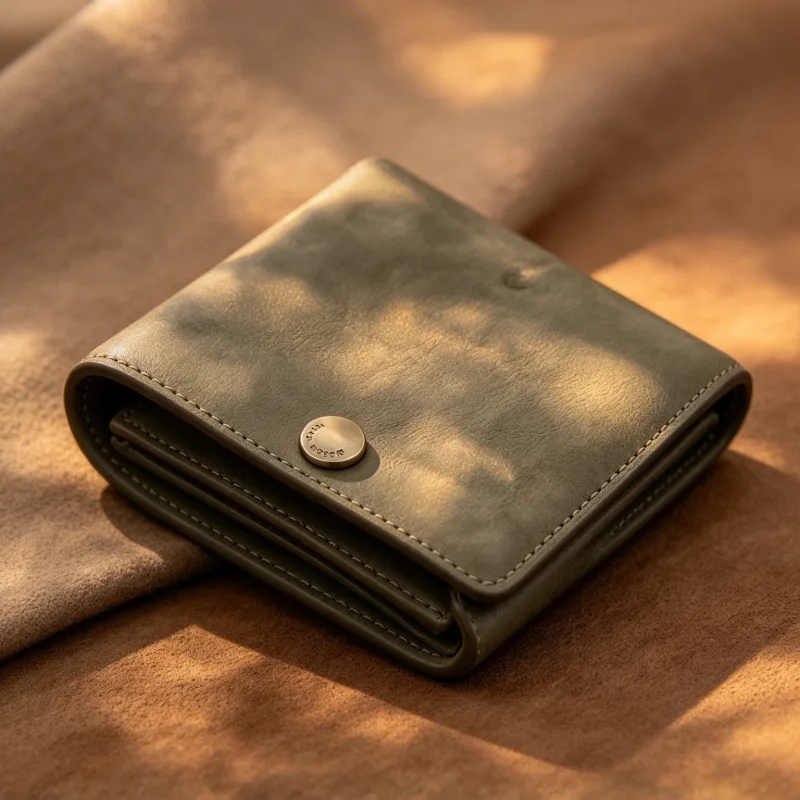
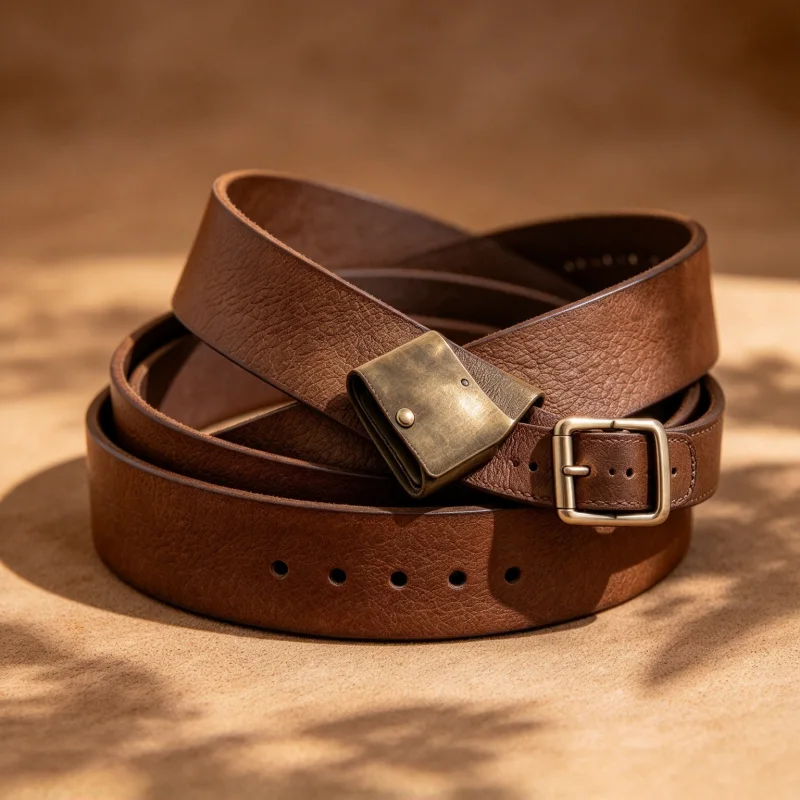
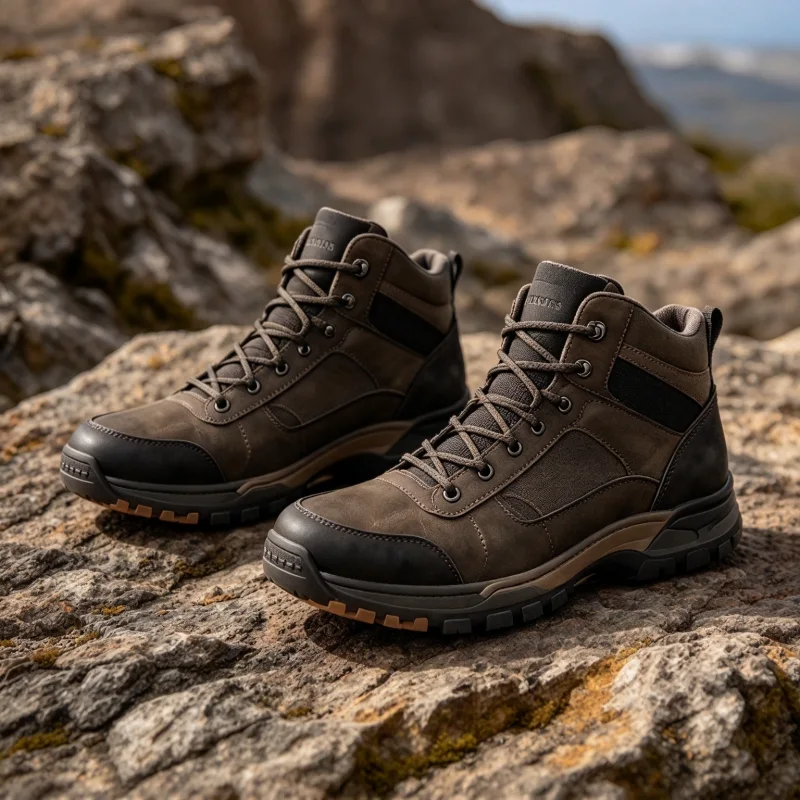
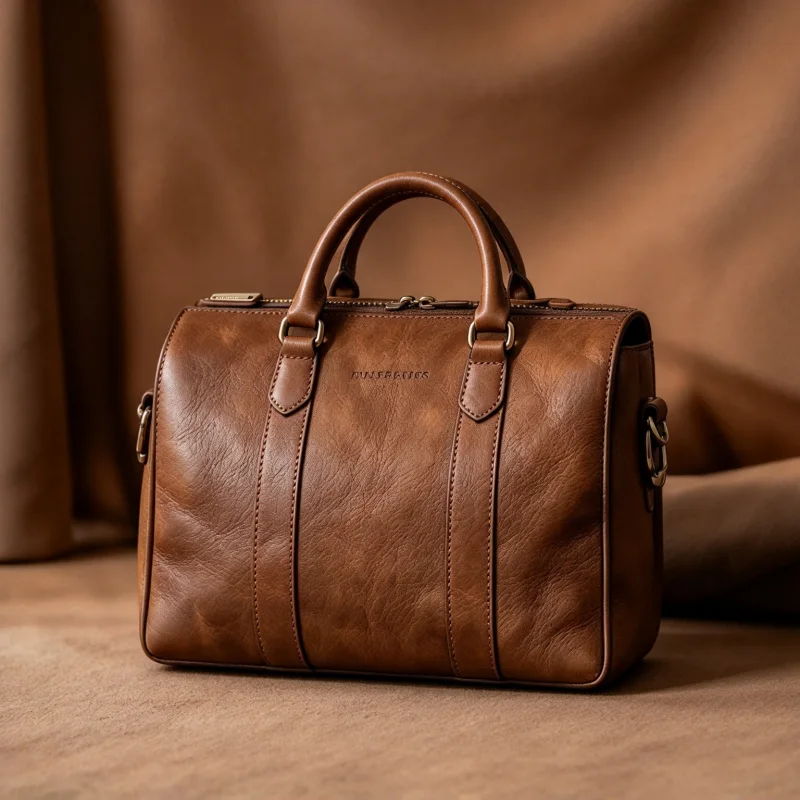
Cow split leather applications for footwear and leather goods Cow split leather applications for footwear and leather goods Cow split leather applications for footwear and leather goods Cow split leather applications for footwear and leather goods

Application Guides

Safety shoes and work footwear

Safety Shoes and Work Footwear

Build a material brief around occupational use, upper zones, repeated flexing, scuff exposure, moisture and the requirements assigned to the completed footwear. This guide covers safety shoes, protective footwear, work boots and other work footwear intended for job-related use.

Select Split Leather for Safety and Work Footwear →
Outdoor and hiking footwear

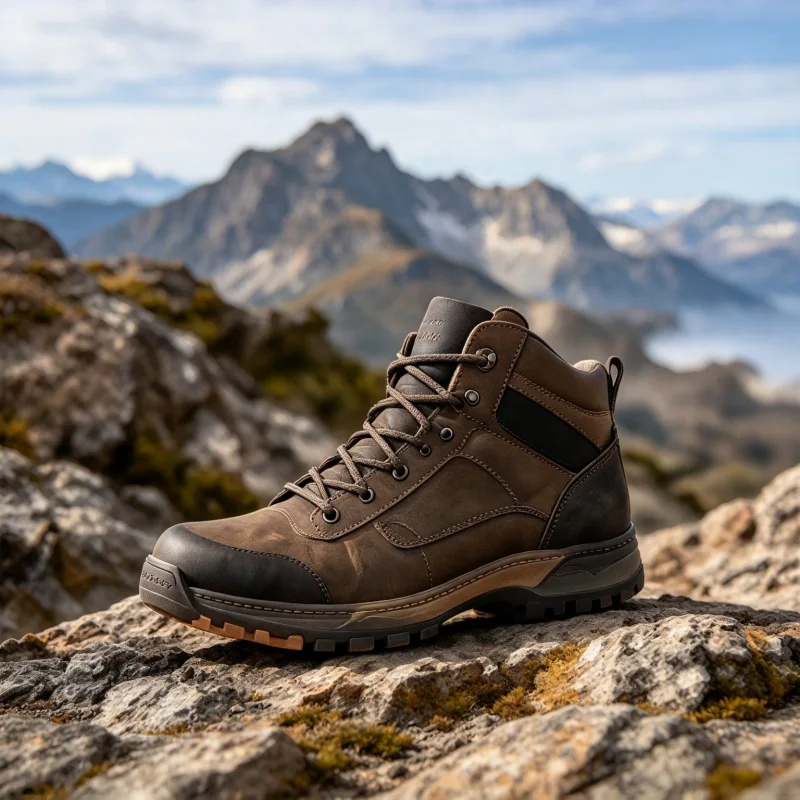
Outdoor and Hiking Footwear

Compare leather for hiking shoes, trail footwear and outdoor boots by terrain, panel position, wet-and-dry exposure, cleaning and the intended upper construction. The guide separates material water resistance from the waterproofing of the complete shoe.

Select Split Leather for Outdoor and Hiking Footwear →
Casual and fashion footwear

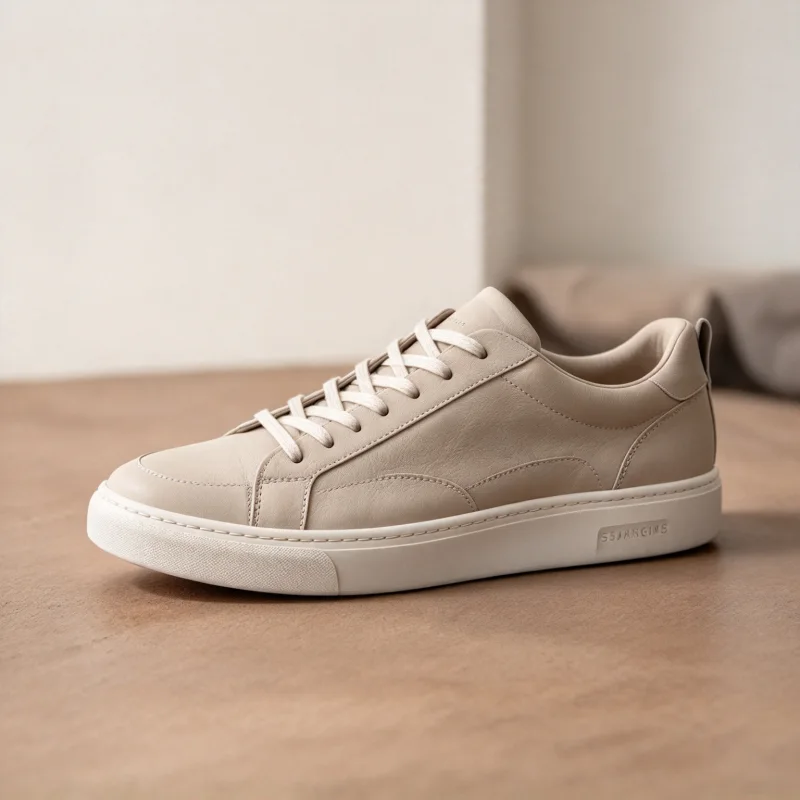
Casual and Fashion Footwear

Choose materials for sneakers, skate shoes, loafers, Derby shoes and fashion footwear through surface character, color, hand feel, panel matching and appearance after shaping and bending. Workwear-inspired fashion styles are included here when they are not occupational safety products.

Select Split Leather for Casual and Fashion Footwear →
Bags and leather goods

Bags and Leather Goods

Select leather for handbags, backpacks, briefcases, wallets, card holders, belts and travel goods by usable panel area, body, drape, fold construction and high-contact zones. The page helps material buyers connect an article to the intended component before sampling.

Select Split Leather for Bags and Leather Goods →

Turn the Application into a Useful Material Brief

Briefing point What to tell us Why it changes the shortlist
Finished product Shoe or leather-goods type and target market Establishes the main application context
Component Vamp, quarter, shaft, overlay, body panel, strap or small component Identifies shaping, flexing, contact and panel-size needs
Construction Lining, reinforcement, adhesive, stitching, folding or lasting method Reveals interfaces that need prototype validation
Surface target Smooth, grained, matte, napped, tonal or vintage character Directs the material and finish route
Required checks Customer method, target value and test condition where available Keeps performance labels tied to evidence
Reference Physical swatch, finished product or clear visual brief Provides a practical approval target

The more clearly the component and target are described, the more useful the first sample selection becomes. If the requirement does not match an existing article, move to Custom Split Leather Development .

How the Leather Article Lists Work

Each application page contains a curated list of regular leather articles. A listing means that the article is a relevant candidate for that application; it does not replace validation in the buyer's own construction.

01

Find relevant articles

Each application page contains a curated list of regular leather articles.

02

View details

Product cards lead to one detailed page per leather article. There you can review close-up images, available colors, reference specifications and any performance information confirmed for that exact article.

03

Validate

When a property has not been verified, it is not used as a product filter or claim. Validate the shortlisted material in your own construction.

Application Selection Questions

Yes. The same article may suit more than one finished product when its construction, appearance and confirmed properties match each use. It can appear in several application lists while retaining one product detail page and one specification source.

Start with application when the finished product and component are already defined. Start with the Split Leather collection when a surface route such as PU coated, wet-process finished or suede is already part of the design brief. Both paths should lead to the same article-level review.

Send the finished-product type, component, reference sample and required checks. We can use that information to discuss a custom color, surface, thickness or material direction through the development process.

Start with Your Product, Component and Target

Tell us what you are making and how the leather will be used. We will help you identify relevant regular articles or organize the next custom development step.

Leave Your Message