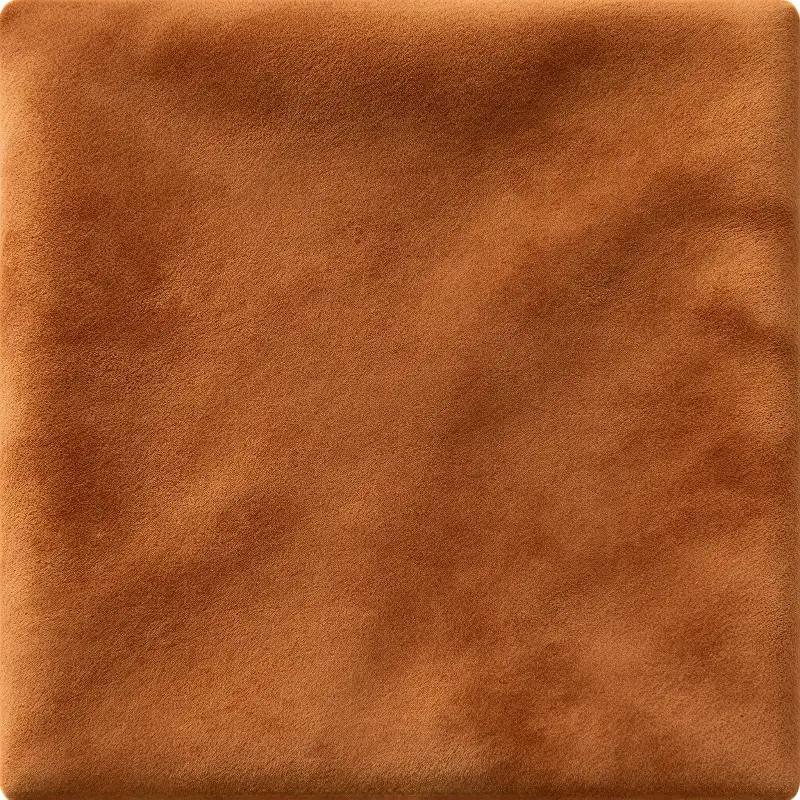
Yangbuck
Similar-looking leather articles can behave differently depending on their construction and finishing. A surface appearance alone does not establish water resistance, flex performance or suitability for a particular outdoor component.
.png)
.png)
.png)
.png)

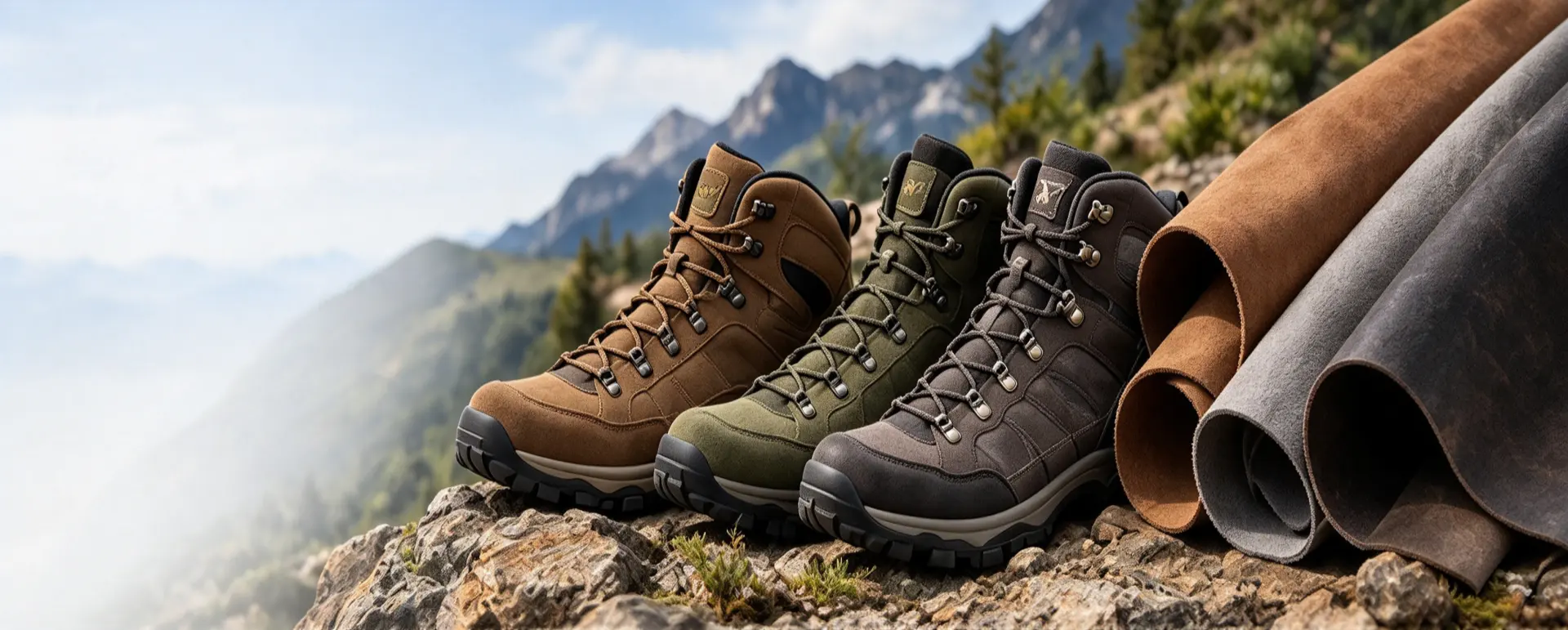
Select cow split leather for hiking shoes, outdoor boots, trail footwear, trekking shoes and camping footwear based on the route, upper construction and conditions the material will encounter.
Guoyuan supplies regular cow split leather articles for outdoor footwear applications and supports material development for defined requirements such as surface, color, thickness and hand feel.
Outdoor footwear can face very different conditions depending on the route and product design. Terrain, repeated flexing, moisture, mud, cleaning and drying can all influence material selection. Start with the intended footwear and use conditions, then select the leather according to the requirements of the finished upper.
View Leather Articles for Outdoor Footwear →Outdoor footwear is not exposed to the same conditions in every use scenario. A lightweight hiking shoe, trail shoe and heavy outdoor boot may use different upper constructions and require different material characteristics.
Before selecting leather, define:
Hiking shoes, trekking shoes, trail footwear, outdoor boots or camping footwear
Trail surface, rocky areas, mud, dry terrain or mixed conditions
Vamp, quarter, shaft, overlay or other leather area
Flexing, rubbing, moisture, dirt and repeated handling
Smooth, matte, napped, textured or other required appearance
Lining, reinforcement, membrane, adhesive and other upper materials
Browse regular cow split leather articles selected as candidates for hiking shoes, trekking footwear, outdoor boots and trail styles.
Compare articles by their material construction, surface character, reference thickness and confirmed material information. Open each article to review its actual finish images, available colors and specification details.
Similar-looking leather articles can behave differently depending on their construction and finishing. A surface appearance alone does not establish water resistance, flex performance or suitability for a particular outdoor component.
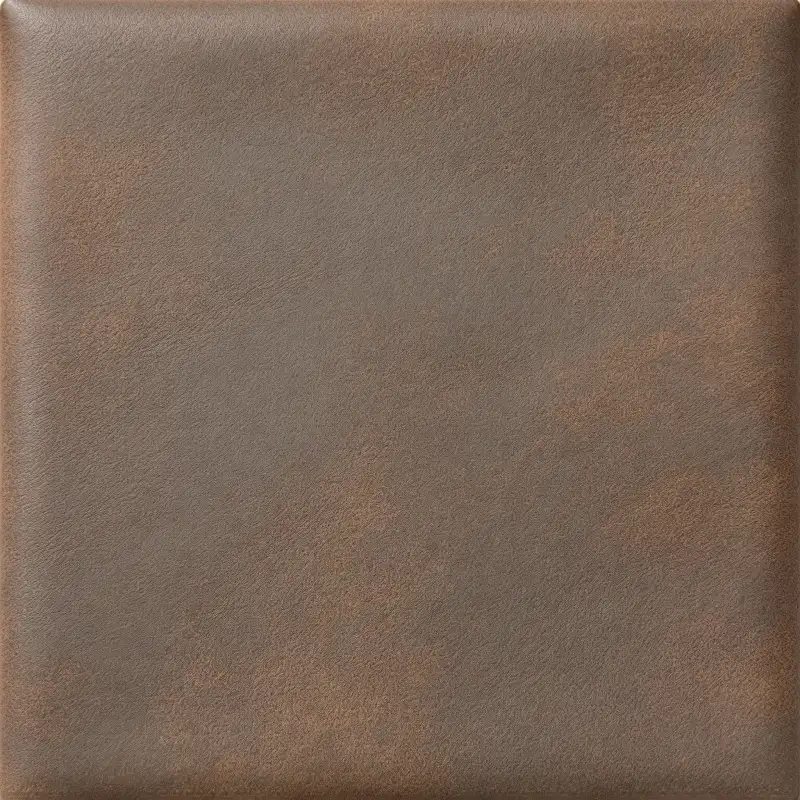
Similar-looking leather articles can behave differently depending on their construction and finishing. A surface appearance alone does not establish water resistance, flex performance or suitability for a particular outdoor component.
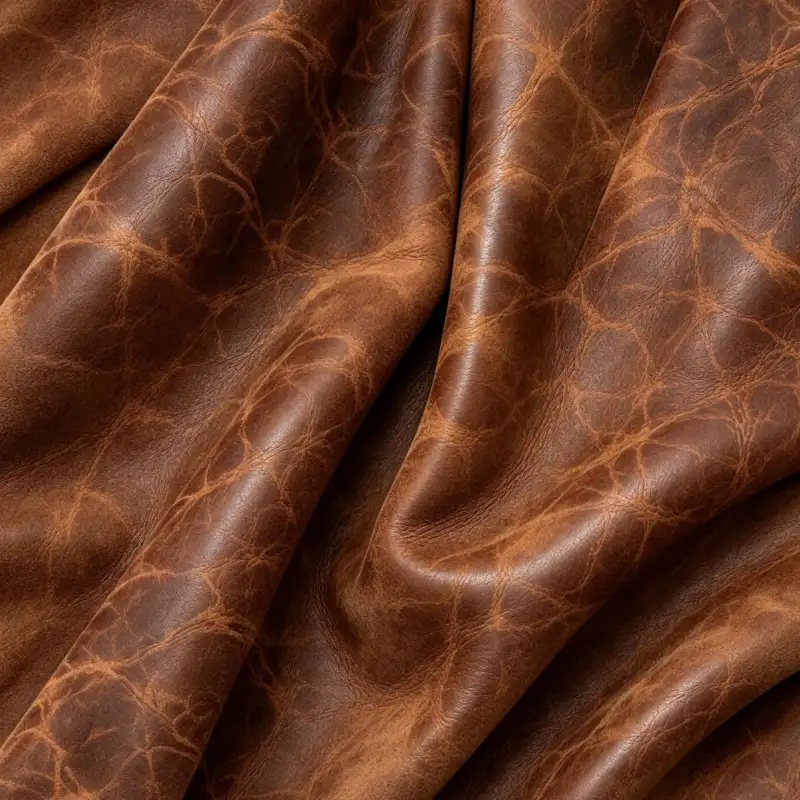
Similar-looking leather articles can behave differently depending on their construction and finishing. A surface appearance alone does not establish water resistance, flex performance or suitability for a particular outdoor component.
The application list is a sourcing starting point. The selected leather should be evaluated in the intended upper construction before bulk production.
Browse All Split Leather →Once the footwear type and upper component are defined, focus the material brief on the characteristics that can be compared and approved.
Define the required visual and tactile direction, such as smooth, matte, napped, textured or other established surface characteristics.
Set the target finished thickness according to the component and upper construction. The required body and flexibility may differ between a flexing forepart and a more structured upper area.
Provide a physical color reference or approved sample where possible. For multi-panel footwear, consider how color and surface appearance should remain consistent across adjacent components.
Specify the required balance of softness, firmness, flexibility and body according to the finished footwear.
Describe the conditions the upper is expected to encounter, including moisture, mud, rubbing, cleaning and repeated drying. These conditions help determine which material characteristics and validation checks are relevant.
One outdoor shoe does not necessarily require the same leather throughout the upper.
The forepart may experience repeated bending during walking. Consider thickness, leather body, surface response and appearance after forming.
These areas may place greater emphasis on panel size, support, flexibility and overall upper appearance.
Where the design uses overlays or exposed sections, consider surface contact, scuff exposure, edge construction and compatibility with adjacent materials.
An outdoor footwear design can combine different leather articles according to component requirements. The objective is to build a material combination that works within the complete upper rather than assuming one article must cover every area.
Before bulk approval, evaluate the selected leather using the actual or representative footwear construction.
Where relevant, use the intended last, pattern, lining, reinforcement, membrane, adhesive and other components. These surrounding materials can influence the finished result.
Depending on the project, validation may include:
Upper flexing
Dry and wet rubbing
Surface response after moisture exposure
Scuffing or contact assessment
Cleaning and drying conditions
Bonding compatibility
Surface appearance after construction
Ageing or other customer-defined checks
Do not assess performance only as pass or fail. Also review changes in:
Keep the approved physical leather sample, color reference, test method and target requirements together as the production reference.
No. Water resistance of the leather is only one part of the complete footwear construction. Waterproof performance can also depend on seams, membranes, tongue construction, closures, sole interfaces and other components.
The complete footwear should therefore be evaluated according to the required construction and test method.
Not automatically. Suitability depends on the specific leather article, upper component, intended conditions and required checks.
For split suede, consider the surface and nap, moisture response, color transfer, cleaning conditions and appearance after use rather than treating all suede articles as one category.
Not necessarily.
An outdoor footwear design may use different leather articles for different areas. For example, the vamp, overlay and shaft can have different material requirements based on their construction and exposure.
Yes, when the materials are compatible with the design and their individual requirements are defined.
For multi-material uppers, review color, surface appearance, thickness, hand feel and construction compatibility together before final approval.
Yes. If a regular article does not match the required surface, color, thickness, hand feel or other defined material characteristics, a focused custom development discussion can be based on the footwear application and component requirements.
A clear brief helps identify relevant regular articles and reduces unnecessary sampling.
Footwear type — hiking shoe, trekking shoe, trail footwear, outdoor boot or camping footwear
Intended conditions — terrain, moisture, mud, cleaning or other relevant exposure
Leather component — vamp, quarter, shaft, overlay or other upper area
Target thickness — finished thickness or acceptable range
Surface and color — visual reference, physical swatch or approved sample
Hand feel — soft, firm, flexible or structured
Upper construction — lining, reinforcement, membrane, adhesive or other relevant information
Required checks — customer test method, target value or market requirement where defined
Expected quantity — estimated order volume and color requirements
A shoe image, component pattern or marked-up upper image is also useful when available.
If a regular article does not match the brief, use Custom Split Leather Development to discuss a focused material direction.
Start with the conditions the footwear will meet, then define where the leather will be used.
Your Footwear
Hiking shoes, trekking shoes, trail footwear, outdoor boots or camping footwear.
Your Conditions
Terrain, moisture, mud, rubbing, cleaning and other relevant exposure.
Your Component
Vamp, quarter, shaft, overlay or another upper area.
Your Material Target
Color, surface, thickness, hand feel and any defined performance requirement.
Send these details to Guoyuan. We can help identify relevant regular cow split leather articles or discuss a focused custom development sample when the standard range does not match your application.