×

Leave Your Message

       
Split Leather for Casual & Fashion Shoes | Guoyuan
CASUAL & FASHION FOOTWEAR

Cow Split Leather for Casual and Fashion Footwear

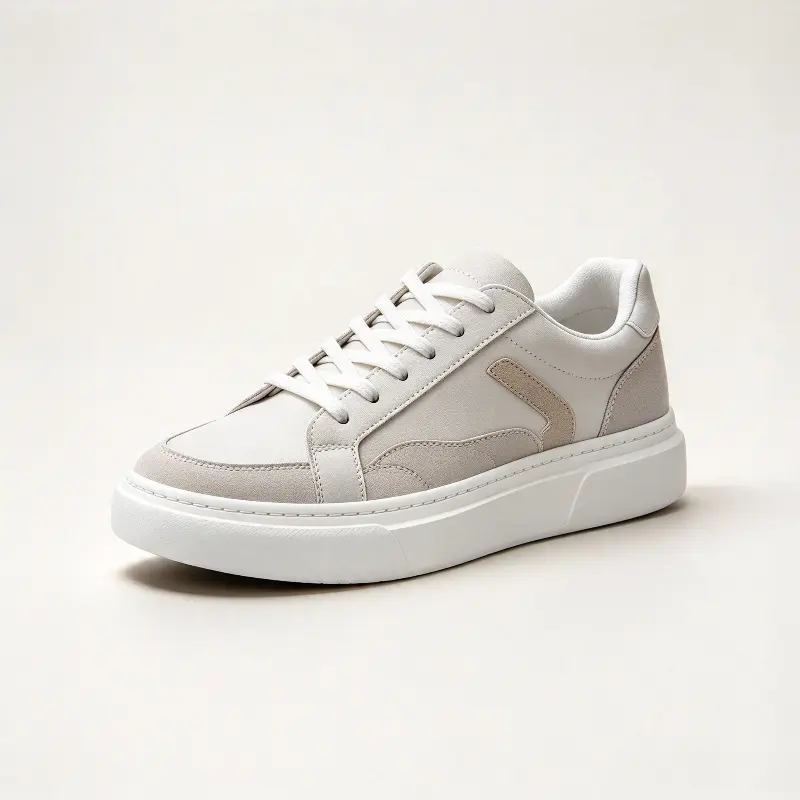
Choose cow split leather for sneakers, skate shoes, casual shoes, loafers, Derby shoes and men's or women's fashion footwear based on the visual language, construction and material character required by the collection.

Guoyuan supplies regular cow split leather articles for casual and fashion footwear and supports custom development for defined requirements such as color, surface, thickness, hand feel and finish direction.

The same basic leather construction can be developed into different visual effects through different finishing and surface processes. The right material therefore starts with the effect you want to achieve, followed by the appropriate leather article and development route.

This page also covers workwear-inspired casual styles developed for fashion use. Footwear with occupational or protective requirements belongs in the Safety and Work Footwear guide .

Start with the Look and Material Character

Casual and fashion footwear can use very different leather appearances, even when the underlying leather construction is similar.

Instead of selecting a material only by its finish name, define the visual and tactile result you want the finished shoe to express.

The finish process should be selected according to the intended result rather than the other way around.

A physical reference or finished shoe sample is recommended when a specific visual effect needs to be reproduced.

Material DirectionWhat to Define
Smooth or structured surfaceSurface smoothness, grain pattern, gloss level and color coverage
Matte or fine-textured surfaceTexture fineness, reflection, hand feel and surface depth
Vintage or tonal appearanceColor variation, tonal movement, marking and overall level of character
Napped surfaceNap fineness, density, direction, shade and softness
Special surface effectPattern, embossing, coating, printing or other required surface treatment
Natural or understated characterSurface variation, touch, color depth and acceptable natural differences

Develop the Surface through the Right Process

Different finishing processes can produce different visual and tactile results. One process should not be treated as representing only one style.

Coated and patterned split leather surfaces

Coated and Patterned Surfaces

PU-coated split leather can be developed with different surface directions, including smooth, structured, grained, matte, glossy, patterned or other defined appearances.

The coating, color, grain or pattern can be adjusted according to the target design.

For fashion footwear, compare the finished surface at the scale of the actual shoe panel. A pattern that looks appropriate on a leather swatch may appear different after lasting, bending or assembly.

See PU Coated Split Leather for the relevant product range.
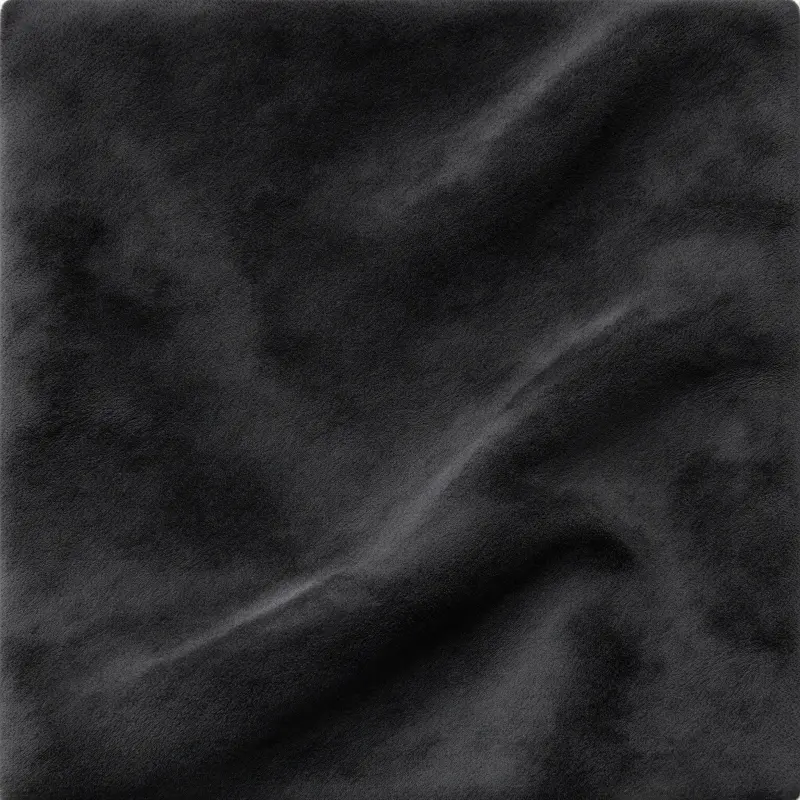
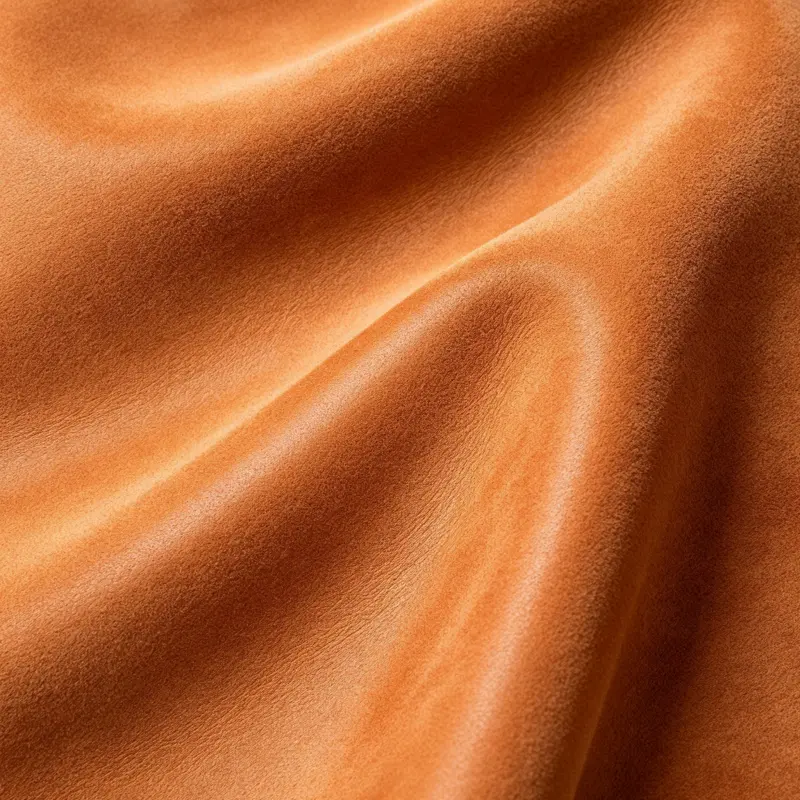
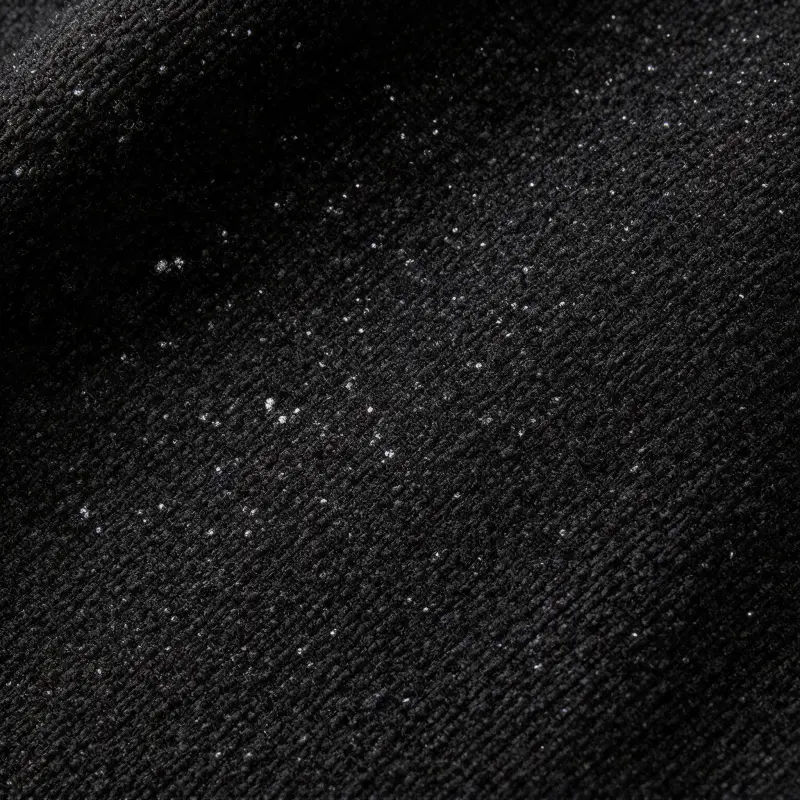
Fine matte and soft-touch split leather

Fine Matte and Soft-Touch Surfaces

Yangbuck and nubuck-effect split leather can provide fine-textured, low-gloss surface directions with different levels of softness, texture and visual depth.

The final result depends on the specific article and finishing route. Compare physical samples side by side when selecting between similar-looking surface directions.

See Yangbuck and Nubuck-Effect Split Leather for examples of these material directions.

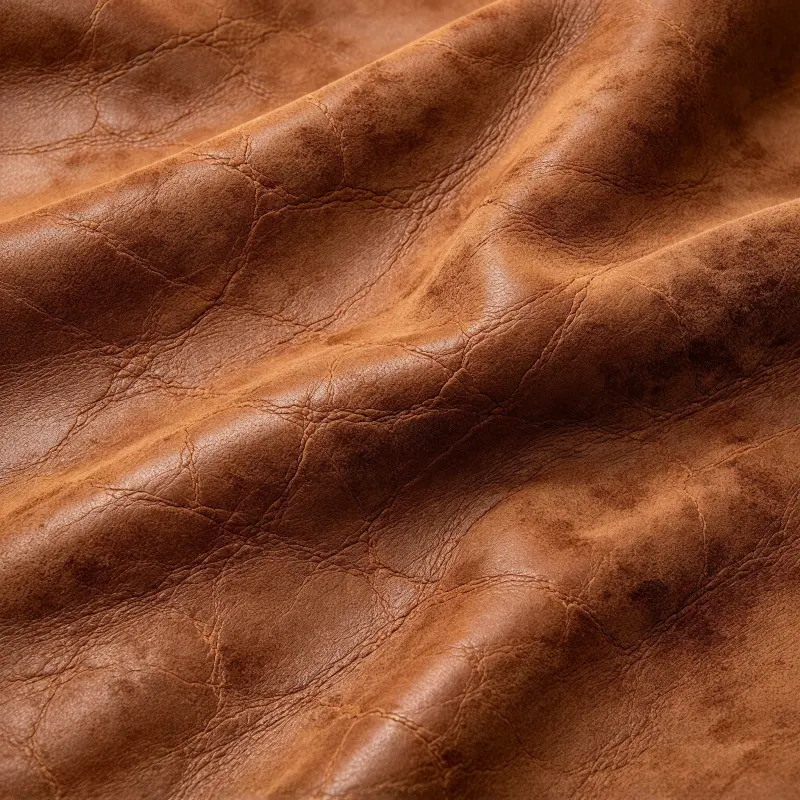
Vintage and tonal split leather effects

Vintage and Tonal Effects

Crazy Horse-effect split leather is one possible route when the design requires tonal movement, a waxy surface character or visible changes caused by handling. Other coated, textured or finished split leather articles can also be developed toward a vintage visual direction.

Define the desired level of color variation, surface marking, gloss, touch and overall aging character rather than selecting a material only because it is described as “vintage.”

See Crazy Horse-Effect Split Leather for this specific finish direction.

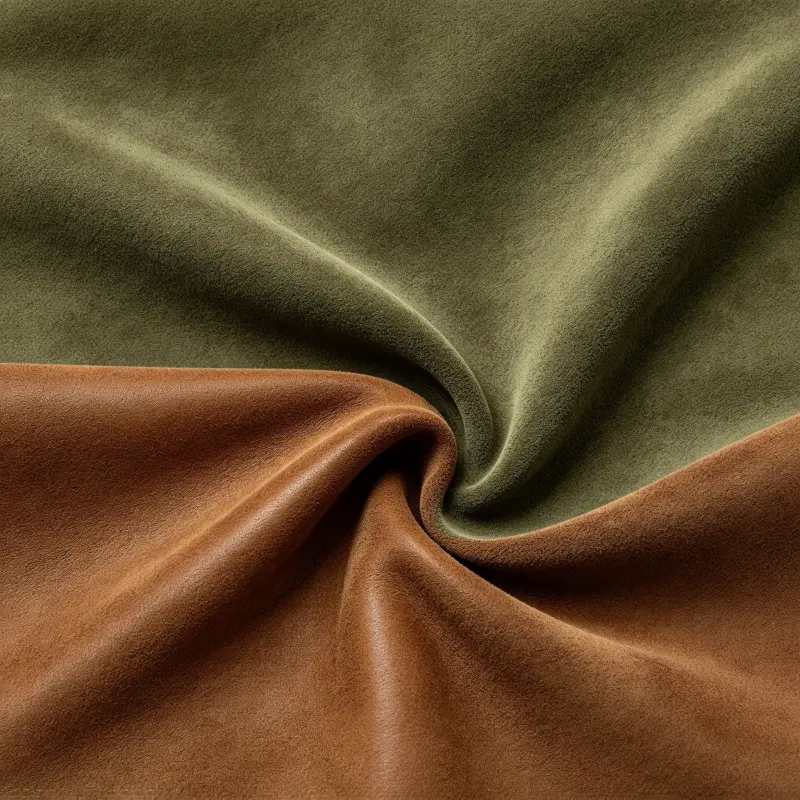
Napped and tactile cow split suede

Napped and Tactile Surfaces

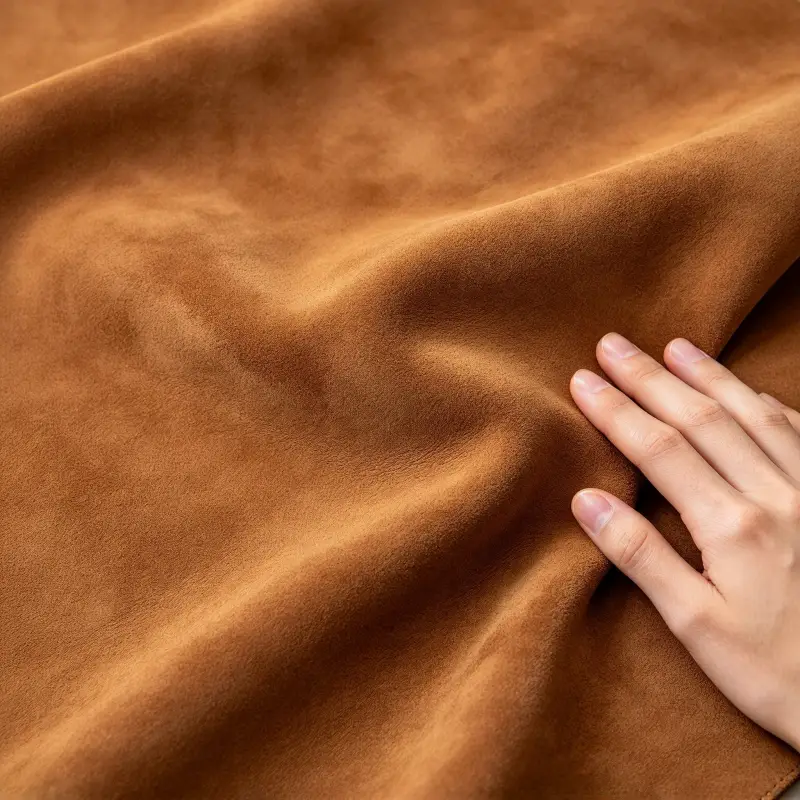
Cow split suede provides a visible napped surface with a soft, tactile character.

When using suede for footwear, consider nap fineness, density, direction, shade and pair matching. The same leather can appear different when viewed or brushed in different directions.

See Cow Split Suede for the relevant material range.

Choose the Material According to the Finished Shoe

Once the visual direction is clear, review how the leather will behave in the actual footwear construction.

Shoe silhouette and cow split leather

Shoe Silhouette

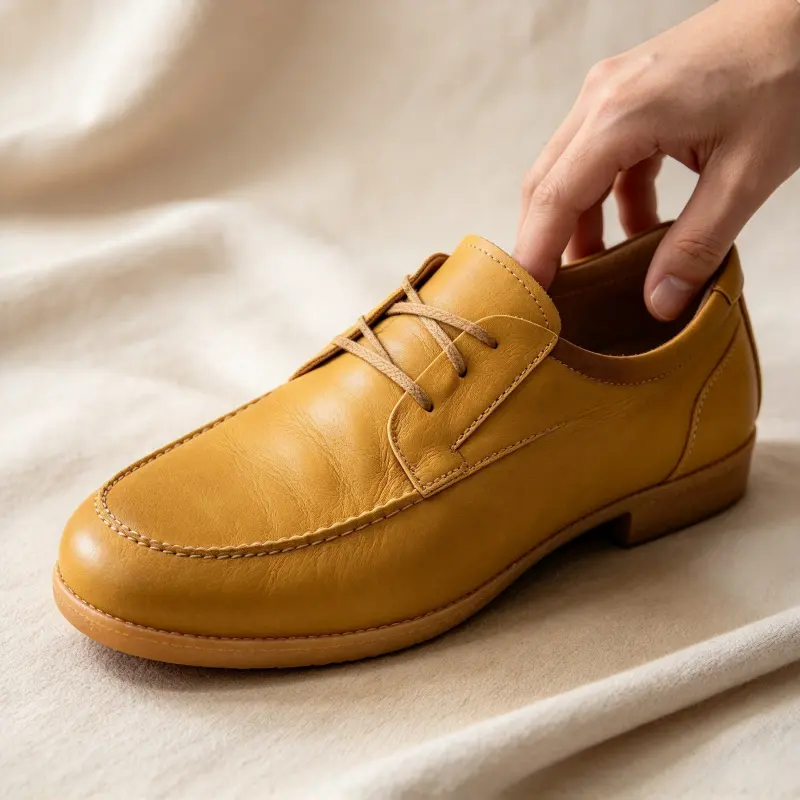
Sneakers, skate shoes, loafers, Derby shoes and fashion boots can place different demands on the leather because of their shaping and panel structure.

Panel size and position

Panel Size and Position

Large quarter panels, small overlays, curved vamp pieces and folded components can make the same material appear different after cutting and assembly.

Shaping and lasting leather

Shaping and Lasting

Review the leather after forming around the last. Surface texture, grain, coating, color depth and nap direction can change visually when the material is stretched, bent or shaped.

Panel matching for footwear

Panel Matching

For paired shoes and multi-panel designs, establish how color, texture, pattern and surface direction should be matched.

Hand feel and leather body

Hand Feel and Leather Body

Define whether the finished shoe requires a softer drape, firmer body, flexible hand or more structured feel.

Split Leather Articles for Casual and Fashion Footwear

Explore regular cow split leather articles selected for casual shoes, sneakers, skate shoes, loafers, Derby shoes and fashion footwear.

Use the application list to build an initial shortlist by material construction, surface direction, visual character, color and reference thickness.

Open each article to review its actual close-up photographs, available color information, specification range and confirmed development scope.

The same visual concept may sometimes be achieved through more than one material route. Compare the actual physical samples and article specifications before selecting the final leather.

Product detail pages remain the source for article-specific construction and specifications.

Browse All Split Leather →

Compare the Surface on the Actual Footwear

A leather swatch is useful for initial selection, but the finished shoe can change the way the material looks.

Review the material:

  • Before and after lasting
  • On large and small panels
  • On curved and folded areas
  • Across left and right shoes
  • At different viewing angles
  • Under the intended lighting
  • With adjacent materials and colors

For napped or directional surfaces, also define the cutting and brushing direction.

For patterned, embossed or coated surfaces, review the pattern scale and continuity across the shoe components.

For tonal or vintage surfaces, agree on the acceptable range of color movement and natural variation before production.

Validate the Material in the Intended Shoe Construction

Before bulk approval, evaluate the selected leather using the intended last, pattern and upper construction.

Where relevant, consider the effects of:

  • Lasting and shaping
  • Flexing
  • Folding
  • Stitching
  • Adhesive and bonding
  • Lining and reinforcement
  • Contact with adjacent materials

The validation should cover both appearance and material behavior.

For fashion footwear, acceptance may depend not only on whether the leather remains functional, but also on whether the final shoe maintains the intended color, surface character, panel matching and overall design language.

Keep an approved physical sample with the article, color and relevant specification as the production reference.

See Quality and Material Verification for the site-wide approach to specifications and claims.

Information to Include in a Casual or Fashion Footwear Enquiry

A clear material brief helps identify the right article or finishing route without unnecessary sampling.

Please provide:

  • Footwear type — sneaker, skate shoe, casual shoe, loafer, Derby or fashion footwear
  • Design reference — finished shoe, sketch, image or material reference
  • Target surface — smooth, grained, matte, napped, patterned, vintage or other direction
  • Target color — physical swatch, color reference or approved sample
  • Target thickness — finished thickness or acceptable range
  • Hand feel — soft, firm, flexible, structured or other requirement
  • Surface process — known process if specified, or desired visual effect if the process is not yet defined
  • Panel requirements — large panels, matching panels, directional surface or pattern continuity
  • Expected quantity — estimated order volume and color requirements

If the desired appearance is clear but the appropriate process is not, provide the visual reference. Guoyuan can review the available material routes and identify a suitable regular article or custom development direction.

Casual and Fashion Footwear Material Questions

Yes. A finishing process does not necessarily define one fixed appearance.

For example, coated split leather can be developed with different colors, surface patterns, gloss levels, textures and vintage-inspired effects. The final appearance depends on the specific construction and finishing route.
Not necessarily.

Finish names are useful for identifying material directions, but the actual surface, color, touch and visual effect should be confirmed from a physical sample.

When a specific appearance is required, provide a finished shoe, leather swatch or clear visual reference.
Potentially, depending on the required effect and finishing route.

Vintage appearance can involve color variation, surface marking, texture, gloss, coating character or handling response. The required effect should be defined before selecting the material process.
It can be, depending on the construction and design.

However, large panels, small overlays, curved sections and folded areas can make the same material behave or appear differently. Review the leather on the intended components before final approval.
Yes. Custom development can be discussed around defined requirements such as color, thickness, surface character, hand feel and finish direction.

A physical reference is especially useful when the target appearance needs to match an existing shoe or leather sample.
Guoyuan supplies cow split leather raw material to footwear manufacturers. We do not provide finished-shoe OEM or ODM services.

Build a Material Brief Around Your Footwear Collection

Start with the design you want to create rather than with a specific leather name.

Your Footwear: Sneakers, skate shoes, casual shoes, loafers, Derby shoes or fashion footwear.

Your Visual Direction: Smooth, grained, matte, napped, patterned, tonal, vintage or another defined surface character.

Your Material Target: Color, thickness, hand feel, surface texture and finish direction.

Your Reference: Finished shoe, leather swatch, image, color reference or another physical sample.

Your Construction: Panel size, lasting method, component position and any matching or directional requirements.

Share these details with Guoyuan. We can help identify relevant regular cow split leather articles or discuss a custom material route when the standard range does not match your collection.

Leave Your Message